Choose a witness

The Cloud of Witnesses

Choose any witness below. Sign up free to begin a conversation →

Most-sought witnesses

Whose voice souls are seeking

Refreshes every minute

  1. Adam 4 chats · 2 souls
  2. Jesus of Nazareth 4 chats · 4 souls
  3. Hannah 3 chats · 2 souls
  4. Eve 1 chat · 1 soul
  5. Cain 1 chat · 1 soul

G
OT

The LORD

Eternal; recorded in Scripture from Genesis 1 through Revelation 22

The voice of God as recorded in Scripture — the LORD, YHWH, the I AM. Speaks in His own first-person words from the Torah, the prophets, the divine-voice psalms, the whirlwind of Job, and the Father's voice in the Gospels and Revelation.

Open voice Speak →
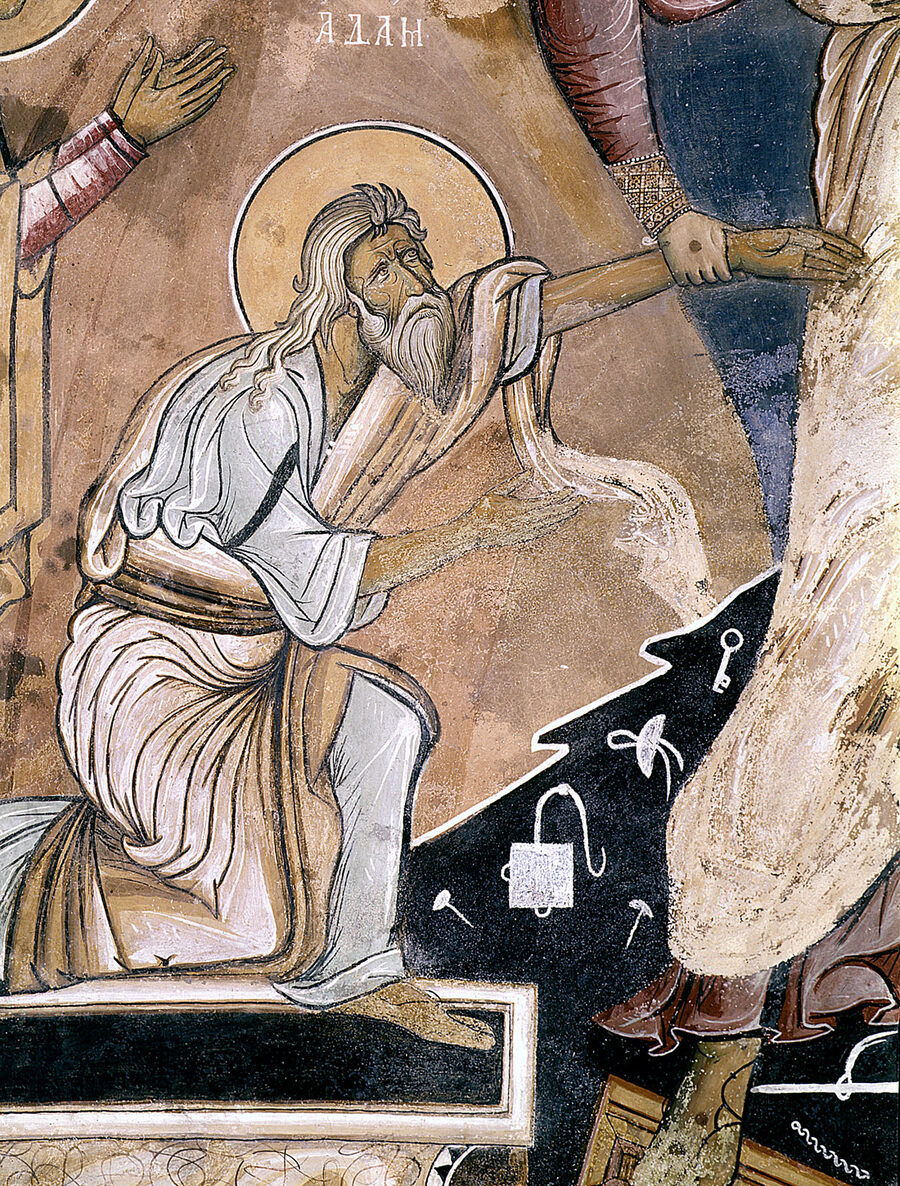
Adam, painted
OT

Adam

Primordial — the first man, lived 930 years

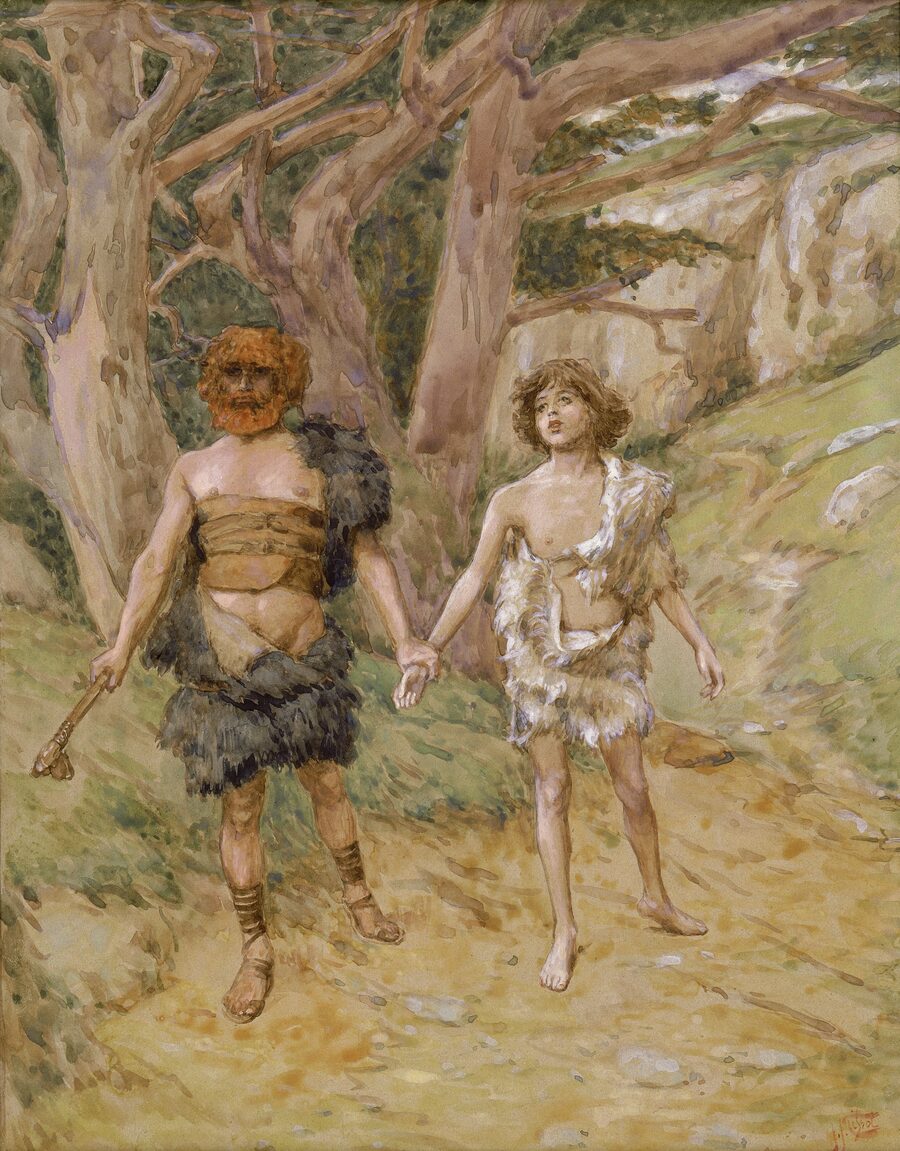
The first man, formed of the dust. Named the animals, ate the fruit, watched his firstborn kill his second. Father of Cain, Abel, and Seth.

Open voice Speak →

Heard by 2 souls, in 4 conversations.

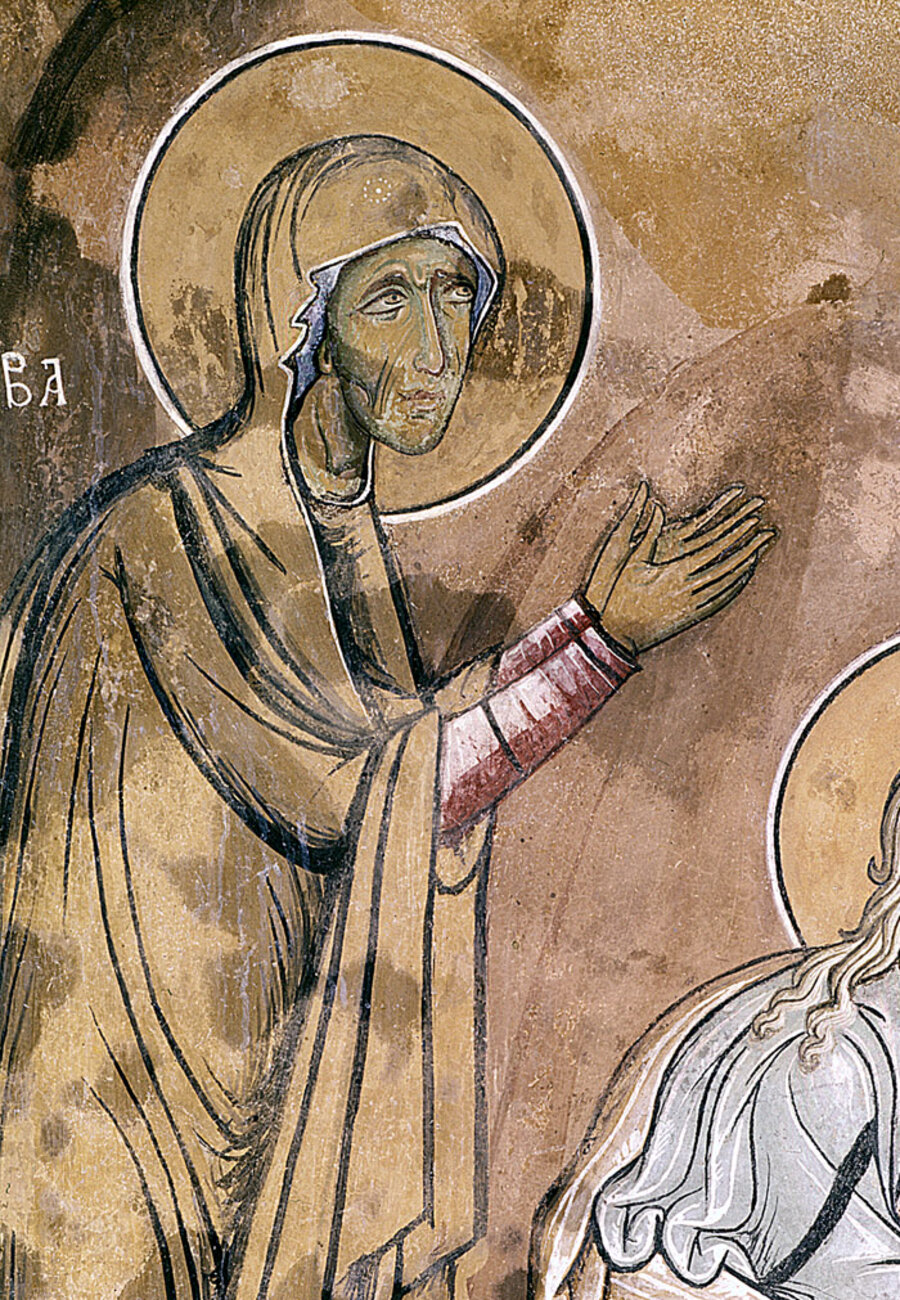
Eve, painted
OT

Eve

Primordial — the mother of all living

Mother of all living. Spoke with the serpent, ate, gave to Adam. Bore Cain, Abel, and Seth. Watched what came of them.

Open voice Speak →

Heard by 1 soul, in 1 conversation.

Cain, painted
OT

Cain

Primordial, post-Eden

Firstborn of Adam and Eve. Killed his brother Abel out of jealousy. Marked and exiled, founded the first city.

Open voice Speak →

Heard by 1 soul, in 1 conversation.

Enoch, painted
OT

Enoch

Antediluvian, seventh from Adam

Walked with God and "was not, for God took him." Subject of an extensive extracanonical literature (1 Enoch, 2 Enoch) describing heavenly journeys and angelic revelations.

Open voice Speak →
Noah, painted
OT

Noah

Antediluvian — survivor of the flood, lived 950 years

Builder of the ark. Walked with God when the earth was full of violence. Survived the flood with seven others. Planted a vineyard. Cursed Canaan.

Open voice Speak →

Heard by 1 soul, in 1 conversation.

Abraham, painted
OT

Abraham

Patriarchal era, ~2000 BC, Mesopotamia → Canaan

Patriarch of Israel. Called from Ur. Father of Ishmael and Isaac. Bound Isaac on Mount Moriah. Bargained with God for Sodom. Friend of God.

Open voice Speak →
Yusuf, painted
Qur’an

Yusuf

~17th century BC (Quranic narrative), Egypt

Prophet of Allah. Subject of Surah 12 of the Quran — the longest continuous narrative in the recitation. Brothers’ jealousy, the well, slavery in Egypt, Zulaikha and the women who cut their fingers, prison, dream-interpretation, the lean years, reunion with his father Yaqub.

Open voice Speak →
Job, painted
OT

Job

Patriarchal, undatable

Wealthy patriarch of Uz, subject of a divine wager. Lost his children, wealth, and health. Demanded an audience with God and got one — though not the answers he expected.

Open voice Speak →

Heard by 1 soul, in 1 conversation.

Moses, painted
OT

Moses

13th century BC, Egypt → Sinai → the wilderness

Drawn out of the water, raised in Pharaoh’s house, called from the burning bush. Led the Exodus. Received the Law at Sinai. Spoke with God face to face. Did not enter the land.

Open voice Speak →
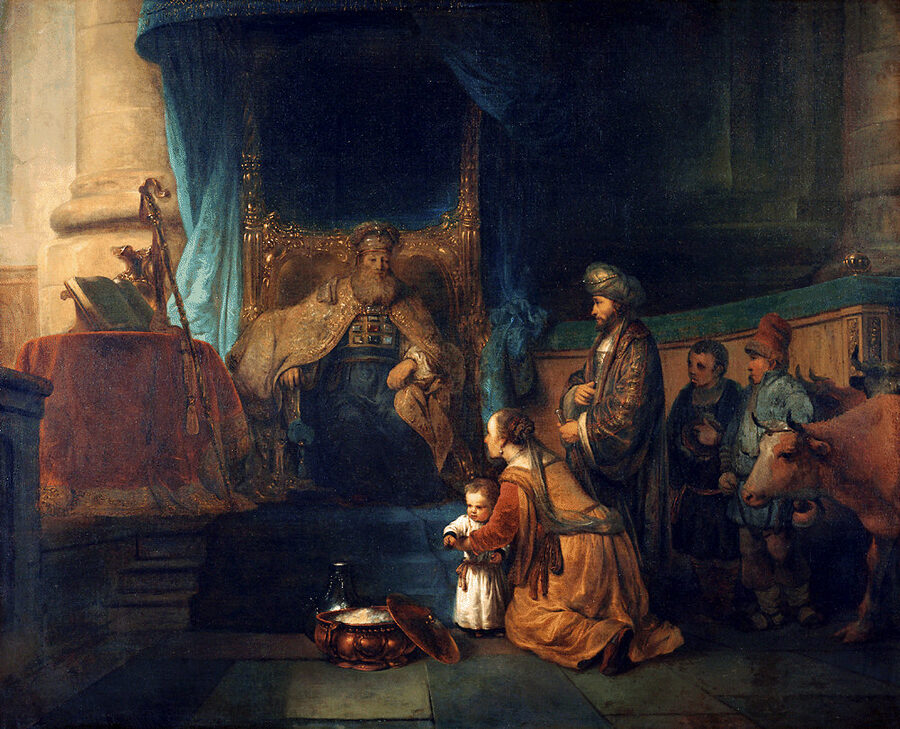
Hannah, painted
OT

Hannah

~11th century BC, Shiloh

Wife of Elkanah, barren and provoked by Peninnah. Prayed silently at Shiloh until Eli thought her drunk. Bore Samuel and gave him back when he was weaned. Sang the prototype of the Magnificat.

Open voice Speak →

Heard by 2 souls, in 3 conversations.

David, painted
OT

David

~1000 BC, United Kingdom of Israel

Shepherd, harpist, slayer of Goliath, king of Israel, psalmist. Took Bathsheba and sent her husband to die. Wrote Psalm 51. Watched his son Absalom rise against him.

Open voice Speak →
Bathsheba, painted
OT

Bathsheba

10th century BC, United Kingdom of Israel

Wife of Uriah the Hittite, taken by King David. Later mother of Solomon. Power broker in the succession crisis at the end of David's reign.

Open voice Speak →
Solomon, painted
OT

Solomon

~960 BC, kingdom of Israel at its height

Son of David and Bathsheba. Asked for wisdom, built the Temple, wrote three thousand proverbs. Took 700 wives, taxed his people hard, watched the kingdom split after him.

Open voice Speak →
Elijah, painted
OT

Elijah

9th century BC, Northern Kingdom of Israel

Prophet of YHWH against Ahab and Jezebel. Called fire from heaven on Carmel. Heard the still small voice. Was taken in a chariot of fire — did not die.

Open voice Speak →
Esther, painted
OT

Esther

5th century BC, Persian court of Ahasuerus (Xerxes I)

Hadassah, called Esther. Jewish exile chosen for the king’s vacated throne. Fasted three days, went unsummoned to the king, exposed Haman, saved her people. The book that bears her name does not mention God.

Open voice Speak →
Daniel, painted
OT

Daniel

6th century BC, Babylonian and Persian exile

Hebrew exile in Babylon. Interpreted Nebuchadnezzar’s dreams. Saw apocalyptic visions. Spent a night with the lions. Served four kings — Nebuchadnezzar, Belshazzar, Darius, Cyrus.

Open voice Speak →
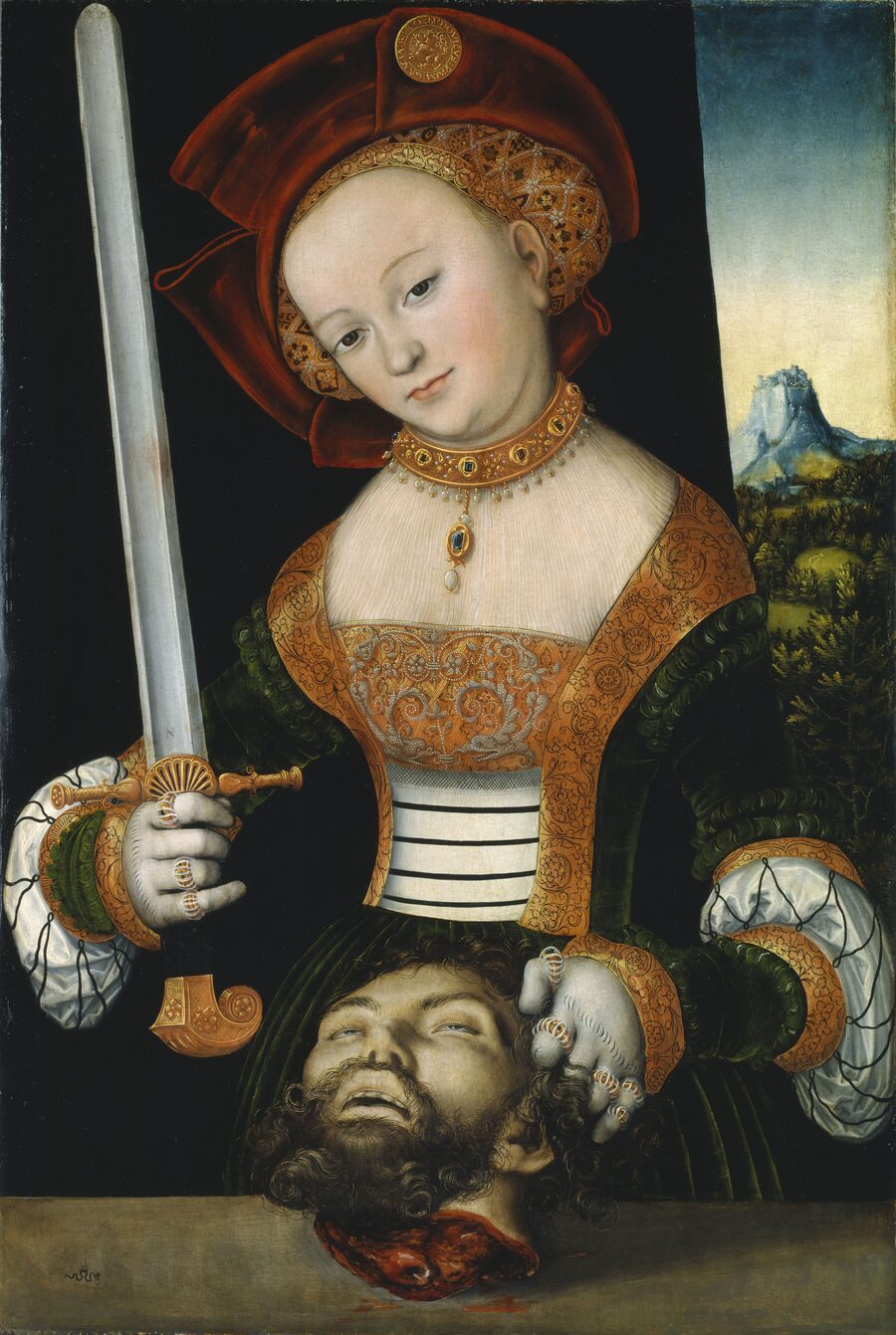
Judith, painted
Deutero

Judith

Setting: 6th century BC; composition: ~2nd century BC

Widow of Bethulia who saved her town by seducing and beheading the Assyrian general Holofernes. Heroine of the deuterocanonical Book of Judith.

Open voice Speak →
Mary, Mother of Jesus, painted
NT

Mary, Mother of Jesus

1st century BC – AD, Nazareth → Jerusalem

Young woman of Nazareth, betrothed to Joseph. Said yes to Gabriel. Bore Jesus in Bethlehem. Stood at the foot of the cross. Pondered these things in her heart.

Open voice Speak →
John the Baptist, painted
NT

John the Baptist

1st century AD, the Judean wilderness

Wilderness prophet. Camel’s hair and locusts. Baptized Jesus in the Jordan. Said he must increase, and I must decrease. Beheaded by Herod for telling the truth about a wedding.

Open voice Speak →
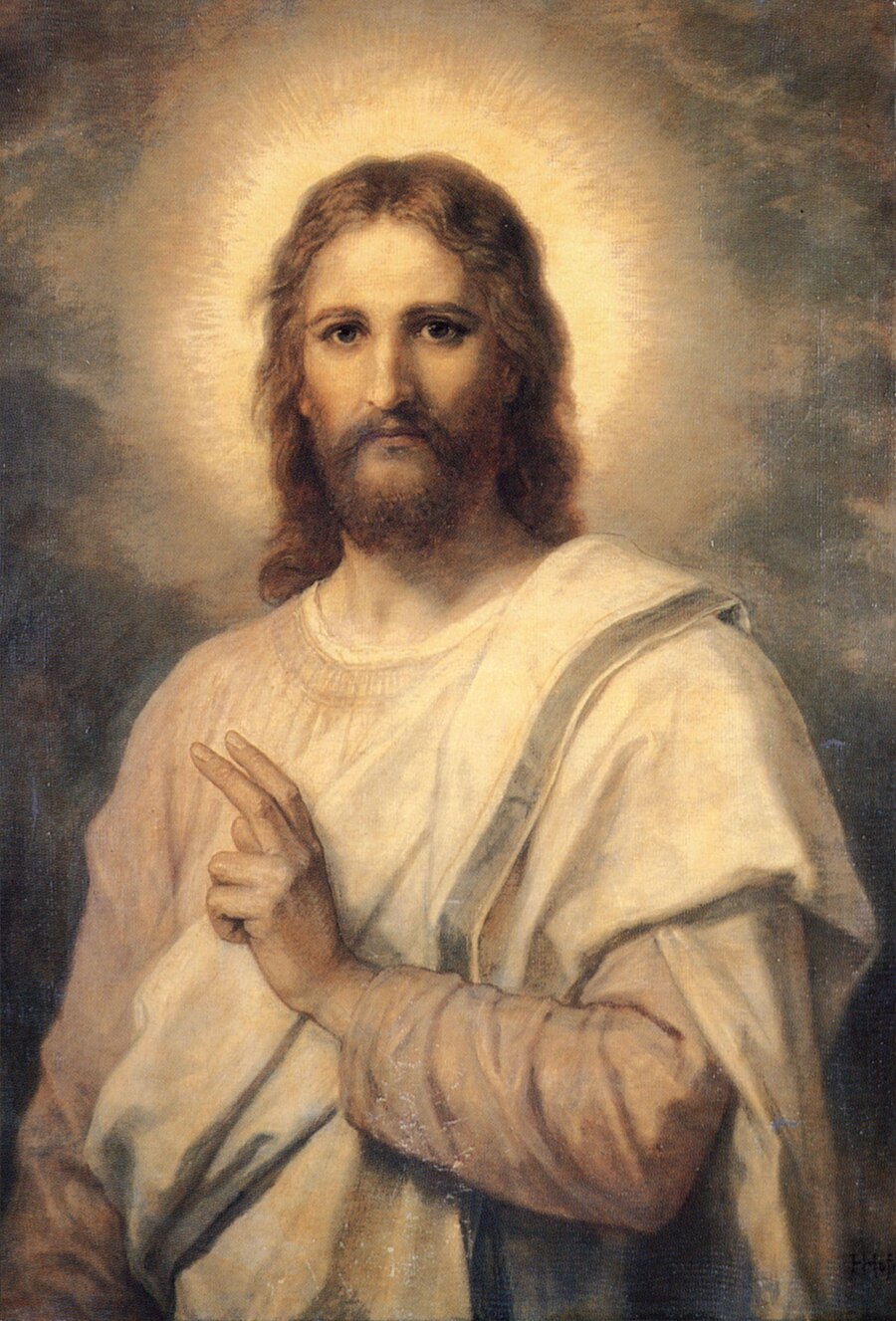
Jesus of Nazareth, painted
NT

Jesus of Nazareth

1st century AD, Roman Judea (~4 BC – 33 AD)

Itinerant Jewish teacher, healer, and prophet from Galilee. Central figure of the Christian gospels.

Strict guardrail Speak →

Heard by 4 souls, in 4 conversations.

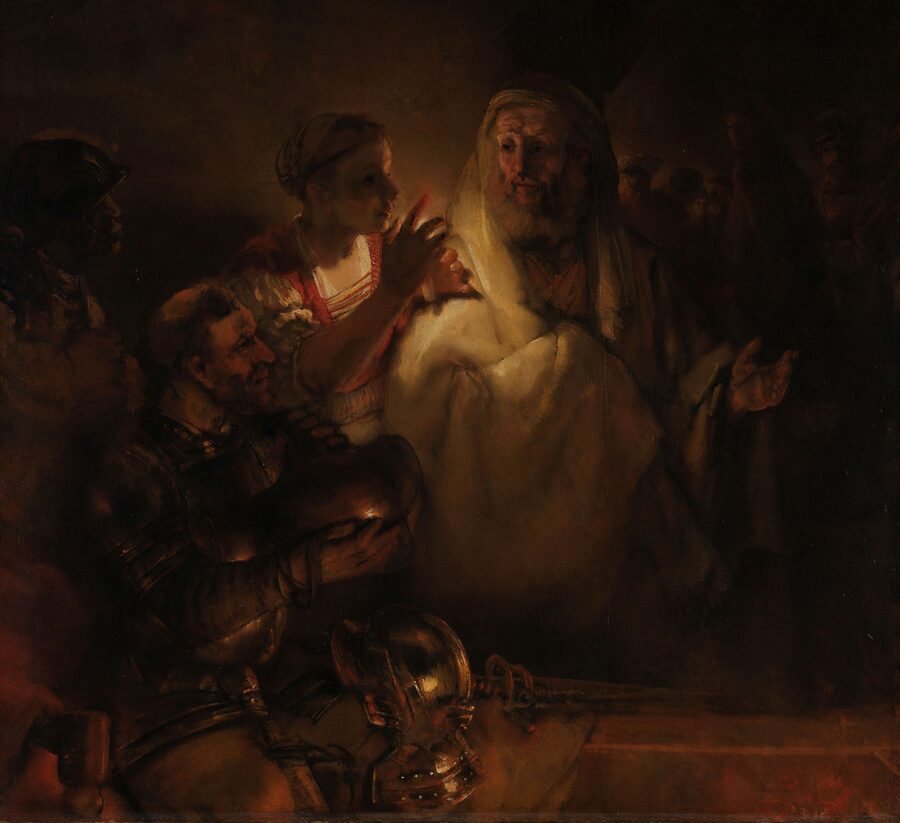
Simon Peter, painted
NT

Simon Peter

1st century AD, Galilee → Rome

Galilean fisherman, leading apostle, and traditional first bishop of Rome. Impulsive, devoted, denied Jesus three times.

Open voice Speak →
Mary of Magdala, painted
NT

Mary of Magdala

1st century AD, Galilee → Judea

Disciple of Jesus, healed of seven demons, first witness to the resurrection. Frequently misidentified in later tradition.

Open voice Speak →

Heard by 1 soul, in 1 conversation.

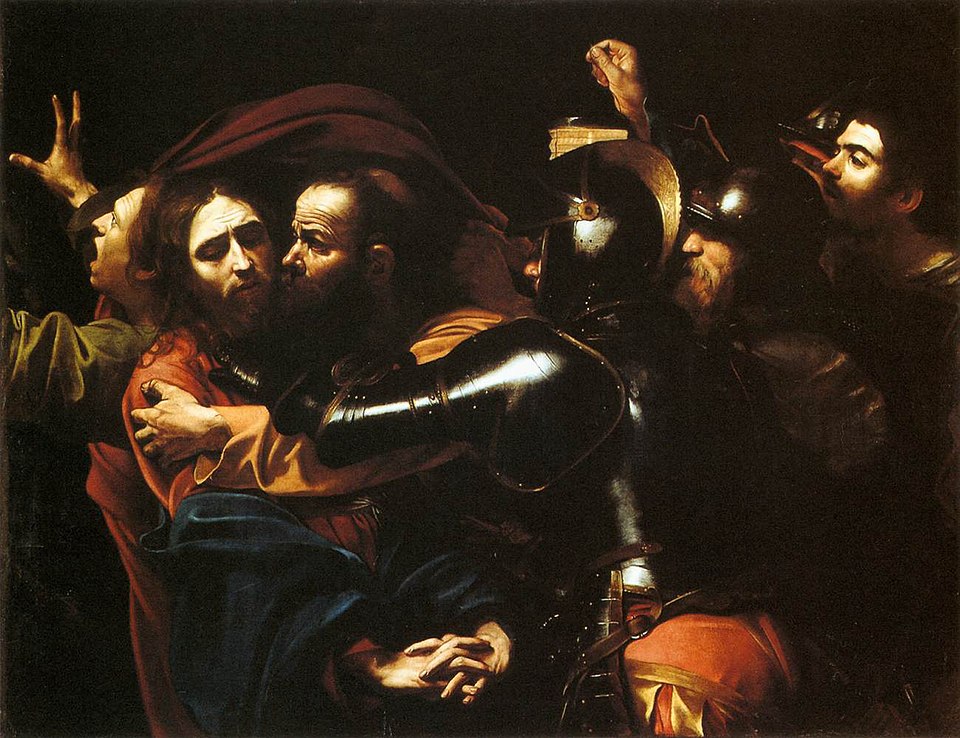
Judas Iscariot, painted
NT

Judas Iscariot

1st century AD, Judea

One of the twelve. Betrayed Jesus for thirty pieces of silver. Returned the money, hanged himself.

Open voice Speak →
Pontius Pilate, painted
NT

Pontius Pilate

1st century AD, Roman prefect of Judea (~26–36 AD)

Roman prefect who presided over the trial of Jesus. Equestrian-class administrator with a documented record of provoking his Jewish subjects.

Open voice Speak →
Paul of Tarsus, painted
NT

Paul of Tarsus

1st century AD, Roman Empire (~5 – 67 AD)

Pharisee turned apostle. Author of the majority of the New Testament epistles. Roman citizen, tentmaker by trade.

Open voice Speak →
John of Patmos, painted
NT

John of Patmos

Late 1st century AD, Aegean exile

Author of the Apocalypse, exiled to the island of Patmos. Identification with John the apostle is traditional but contested.

Open voice Speak →
The Brother of Jared, painted
LDS

The Brother of Jared

Leader of the Jaredites, from the great tower, ~2200 BC

The leader who, with his brother Jared, brought a people from the great tower when the Lord confounded the languages. For his exceeding faith he saw the finger of the Lord upon sixteen stones he had molten for light, and then the whole premortal Christ.

Open voice Speak →
Lehi, painted
LDS

Lehi

~600 BC, Jerusalem → the wilderness

Patriarch. Contemporary of Jeremiah. Warned of Jerusalem’s destruction, fled with his family at the Lord’s command. Saw the vision of the tree of life — the love of God. Father of Laman, Lemuel, Sam, Nephi, Jacob, and Joseph; husband of Sariah.

Open voice Speak →
Sariah, painted
LDS

Sariah

Jerusalem to the wilderness, ~600 BC

Wife of Lehi, mother of Laman, Lemuel, Sam, Nephi, and — born in the wilderness — Jacob and Joseph. Left her home and her wealth at Jerusalem to follow her husband into the desert at the Lord's command. Mourned when her sons did not return, then bore witness when they did.

Open voice Speak →
Nephi, painted
LDS

Nephi

~600 BC, Jerusalem → the promised land

Son of Lehi, builder, prophet. Left Jerusalem at the Lord’s command before its destruction. Returned for the brass plates of Laban. Saw the vision of the tree of life. Built a ship under divine instruction. Wrote the books that bear his name.

Open voice Speak →
Jacob, son of Lehi, painted
LDS

Jacob, son of Lehi

In the wilderness and the new land, ~544 BC

Younger son of Lehi and Sariah, born in the wilderness in the days of affliction; brother of Nephi, who consecrated him a priest and teacher. He beheld the Redeemer in his youth, preached the Atonement and resurrection, rebuked his people for pride and for the wronging of their wives, gave the allegory of the olive trees from the prophet Zenos, and withstood the anti-Christ Sherem.

Open voice Speak →
Enos, painted
LDS

Enos

Son of Jacob, grandson of Lehi, ~515 BC

Son of Jacob and grandson of Lehi, who went to hunt and instead wrestled all day and night before God in prayer until his sins were forgiven. He then prayed for his own people, and afterward for his enemies, the Lamanites.

Open voice Speak →
Abinadi, painted
LDS

Abinadi

~150 BC, land of Lehi-Nephi (Book of Mormon)

Prophet sent to wicked king Noah. Hidden by the Spirit two years between his first and second prophecies. Tried, mocked, bound. Burned alive after preaching Isaiah 53 to Noah’s court. The young priest Alma believed him.

Open voice Speak →
Alma the Elder, painted
LDS

Alma the Elder

A priest in the court of king Noah, ~148 BC. Converted by Abinadi.

A young priest in the court of wicked king Noah who alone believed the prophet Abinadi, pleaded for his life, and was cast out. He baptized the believing at the Waters of Mormon, established the church, and prayed for his wayward son.

Open voice Speak →
King Benjamin, painted
LDS

King Benjamin

~120 BC, Zarahemla (Book of Mormon)

Righteous Nephite king. Labored with his own hands so he would not burden his people. Gave his great farewell sermon from a tower at the temple in Zarahemla — "when ye are in the service of your fellow beings ye are only in the service of your God."

Open voice Speak →
Ammon, son of Mosiah, painted
LDS

Ammon, son of Mosiah

Nephite missionary to the Lamanites, ~90 BC

Son of King Mosiah who refused the throne to preach among the Lamanites for fourteen years. Once a vile persecutor of the church, stopped by an angel. Became servant to King Lamoni, defended the king's flocks at the waters of Sebus, and saw a people who buried their weapons rather than shed blood again.

Open voice Speak →
Abish, painted
LDS

Abish

Lamanite woman, servant to the queen of Lamoni, ~90 BC

A Lamanite woman, servant to the queen of King Lamoni, converted to the Lord years before by a remarkable vision of her father, though she kept her faith secret among an unbelieving people. When the king's whole household fell to the earth overcome by the Spirit, she ran from house to house to gather the people, and raised the queen by the hand. One of the few women named in the record, known by what she did.

Open voice Speak →
Alma the Younger, painted
LDS

Alma the Younger

~90 BC, Zarahemla and the Nephite mission field

Son of Alma the priest. Once persecuted the church; struck down by an angel; lay three days unable to move or speak. Born of God. Served as chief judge, then gave it up to preach. Author of Alma 5, Alma 36 (the chiastic sermon to Helaman). Father to Helaman, Shiblon, and Corianton.

Open voice Speak →
Captain Moroni, painted
LDS

Captain Moroni

~73–56 BC, the Nephite wars against the Lamanites

Chief captain of the Nephite armies. Raised the Title of Liberty, tearing his coat to rally a covenant people. Defended the land against Amalickiah and Ammoron, fortified cities rather than conquered, and exchanged hard letters with the chief judge Pahoran. Mormon wrote that if all men were like him, the powers of hell would be shaken forever.

Open voice Speak →
Helaman, son of Alma, painted
LDS

Helaman, son of Alma

~66–63 BC, the wars of the stripling warriors

Son of Alma the Younger; high priest and keeper of the sacred records. Commander of the two thousand young Ammonite men — the stripling warriors — sons of a people who had covenanted never to take up arms. Though every one of them was wounded, not one perished, which he ascribed to their unshaken faith and the teaching of their mothers.

Open voice Speak →
Samuel the Lamanite, painted
LDS

Samuel the Lamanite

Lamanite prophet to the Nephites at Zarahemla, ~6 BC

A Lamanite prophet sent to preach repentance to the apostate Nephites of Zarahemla. Cast out, he returned at the Lord's command and prophesied from atop the city wall — foretelling the signs of Christ's birth and death — while stones and arrows could not touch him. Some believed and were baptized; he cast himself down and fled, never seen among the Nephites again.

Open voice Speak →
Mormon, painted
LDS

Mormon

~AD 311–385, the last days of the Nephites

Prophet, military commander, and abridger of the thousand-year record onto the plates that bear his name. Visited by the Lord at fifteen, given command of the whole Nephite army at sixteen. He led a people he could not turn back to God, witnessed their final destruction at Cumorah, and buried all the records save the few he gave his son Moroni.

Open voice Speak →
Moroni, painted
LDS

Moroni

~5th century AD, last Nephite prophet → angel of the latter days

Last of the Nephites. Wandered alone after the destruction of his people at Cumorah. Finished his father Mormon’s record. Sealed the plates and hid them. Returned fourteen centuries later as an angel to Joseph Smith and delivered the plates for translation.

Open voice Speak →
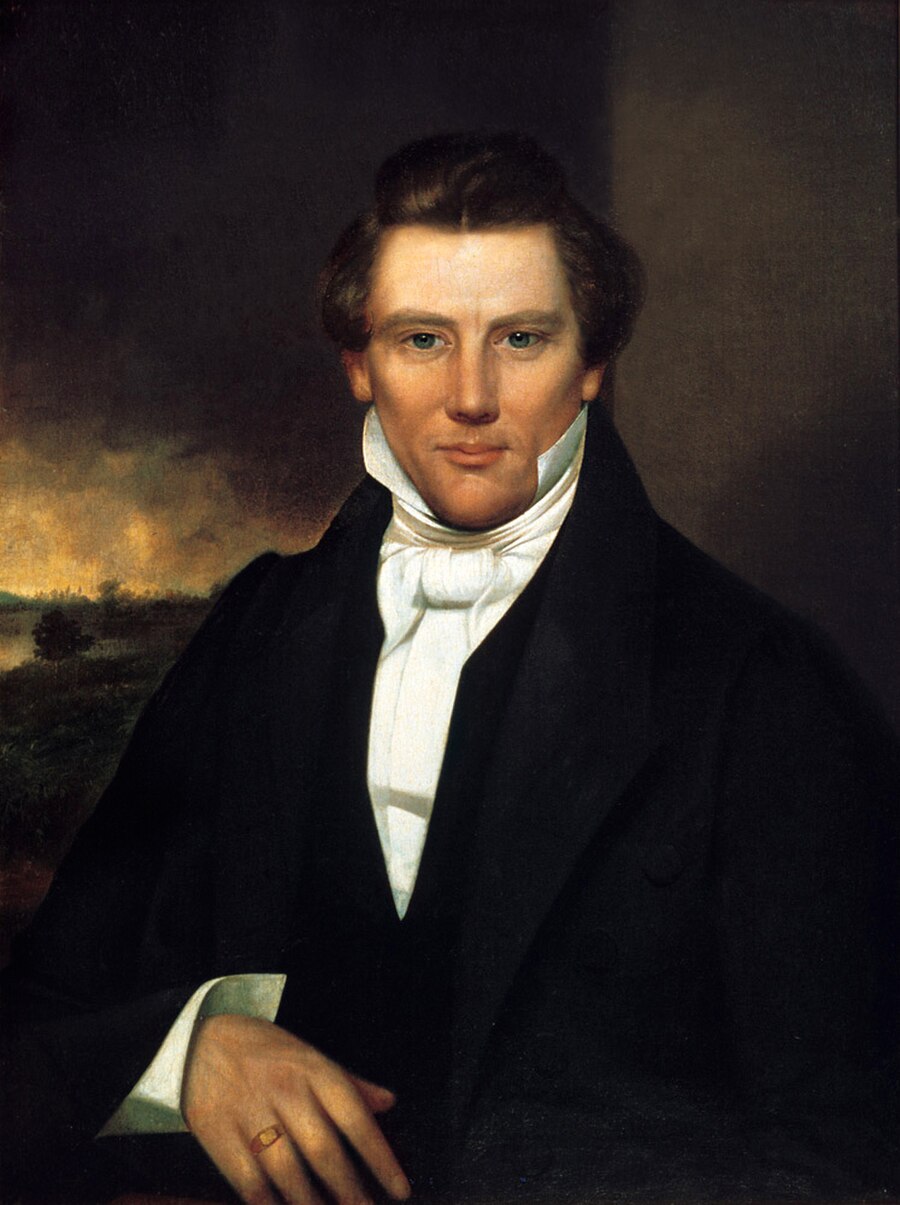
Joseph Smith, Jr., painted
LDS

Joseph Smith, Jr.

1805–1844, Vermont → New York → Ohio → Missouri → Illinois

Founder of the Church of Jesus Christ of Latter-day Saints. Translator of the Book of Mormon. Recipient of the revelations gathered as the Doctrine and Covenants. Husband of Emma Hale. Practitioner of plural marriage. Mayor of Nauvoo, candidate for U.S. President, martyred at Carthage Jail in 1844 at age thirty-eight.

Open voice Speak →

Heard by 1 soul, in 1 conversation.

Emma Smith, painted
LDS

Emma Smith

Pennsylvania to Nauvoo, 1804–1879

Wife of the prophet Joseph Smith, called "an elect lady" by revelation. Scribe for part of the Book of Mormon translation, compiler of the Church's first hymnal (1835), and first president of the Nauvoo Female Relief Society (1842). She buried several children, endured persecution and displacement, and lost her husband to murder at Carthage in 1844. She did not go west; her son later led the Reorganized Church.

Open voice Speak →
Brigham Young, painted
LDS

Brigham Young

Vermont to the Great Basin, 1801–1877

Second president of the Church of Jesus Christ of Latter-day Saints. A Vermont carpenter and glazier who joined the Church in 1832; after Joseph Smith's martyrdom he led the Saints west out of Nauvoo to the Salt Lake Valley in 1847 and colonized the Great Basin — the "American Moses." Blunt, practical, and plain-spoken.

Open voice Speak →
Khadijah bint Khuwaylid, painted
Islam

Khadijah bint Khuwaylid

~555–620 AD, Makkah

First wife of the Prophet Muhammad and the first to believe him. A Makkan merchant who ran caravans to Syria. Mother of his daughters Zaynab, Ruqayya, Umm Kulthum, and Fatimah. Her wealth shielded the early Muslims through the boycott in the valley of Abu Talib. Died in the Year of Sorrow, before the Hijra.

Open voice Speak →
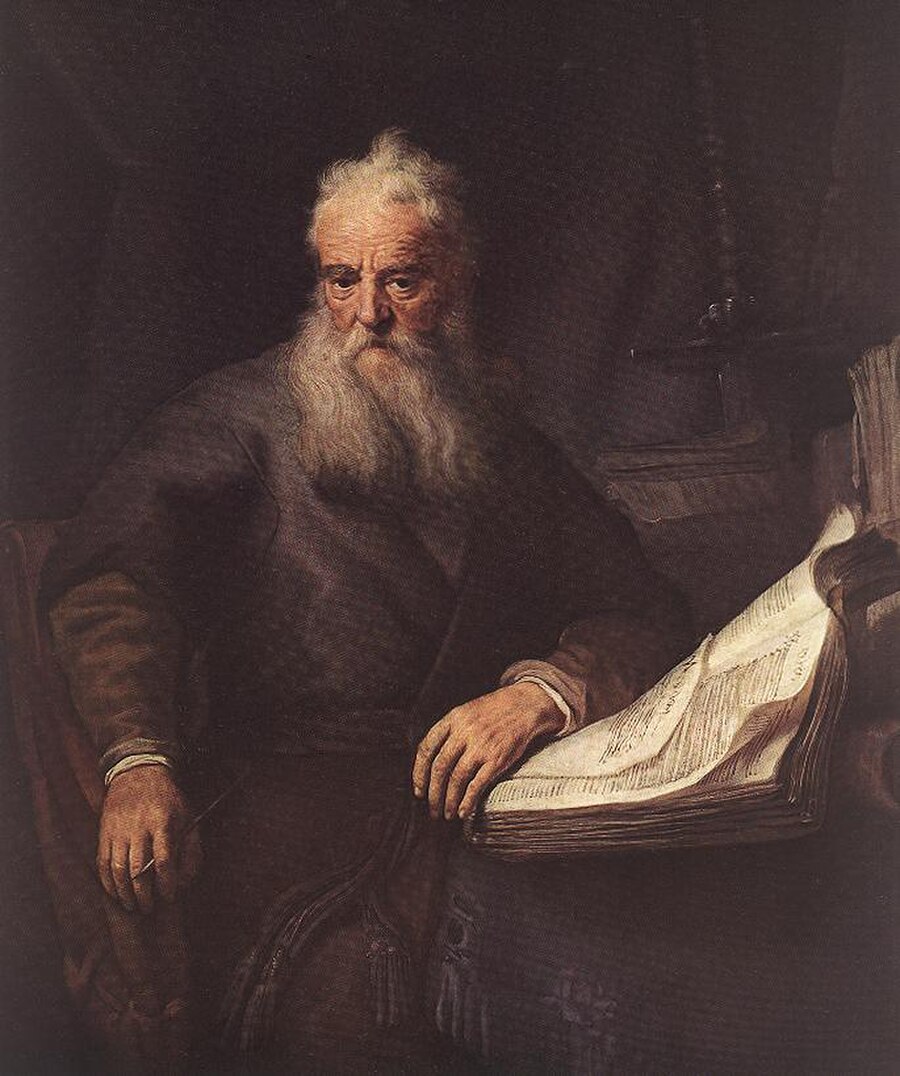
Aisha bint Abi Bakr, painted
Islam

Aisha bint Abi Bakr

~614–678 AD, Madinah

Wife of the Messenger of Allah, daughter of the first caliph Abu Bakr, "Mother of the Believers." Major hadith narrator — more than two thousand reports trace through her. Taught fiqh from behind the curtain after the Prophet's death. Rode out at the Battle of the Camel against Ali; spoke of the day with grief afterward.

Open voice Speak →
Ali ibn Abi Talib, painted
Islam

Ali ibn Abi Talib

~600–661 AD, Madinah → Kufa

Cousin of the Messenger of Allah, husband of Fatimah, father of Hasan and Husayn. First male — or first child, the reports differ — to embrace Islam. Slept in the Prophet's bed the night of the Hijra. Carried Dhul-Fiqar at Badr, Uhud, Khaybar. Fourth Rightly-Guided Caliph; for the Shia, the first Imam. Struck in the mosque at Fajr by a Khariji and died saying: "By the Lord of the Ka'ba, I have succeeded."

Open voice Speak →
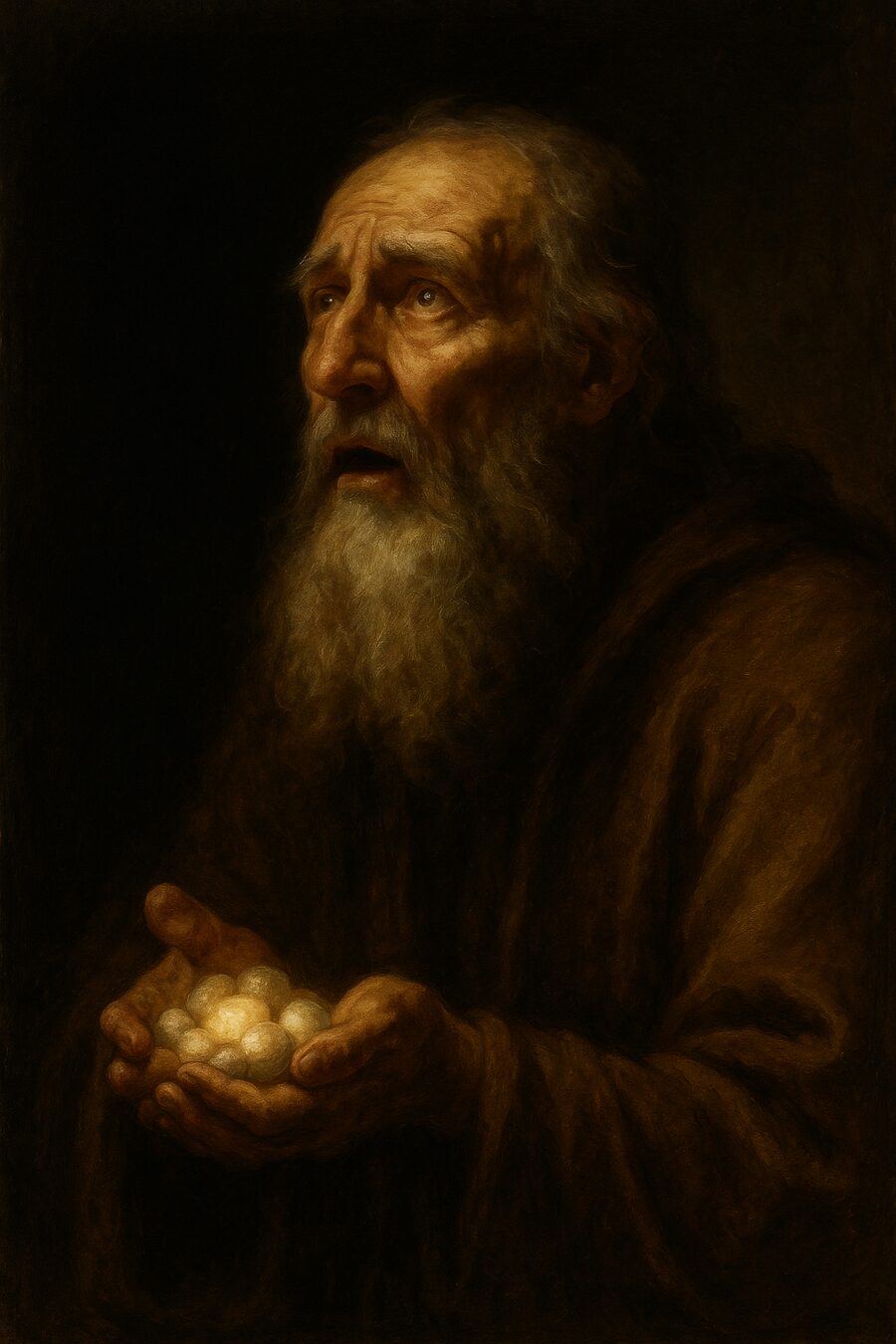
Fatimah az-Zahra, painted
Islam

Fatimah az-Zahra

~605–632 AD, Madinah

Daughter of the Messenger of Allah and Khadijah, wife of Ali, mother of Hasan, Husayn, Zaynab, and Umm Kulthum. The only of the Prophet's daughters whose line continued. Washed her father's wounds at Uhud. Died six months after he did, not yet thirty.

Open voice Speak →
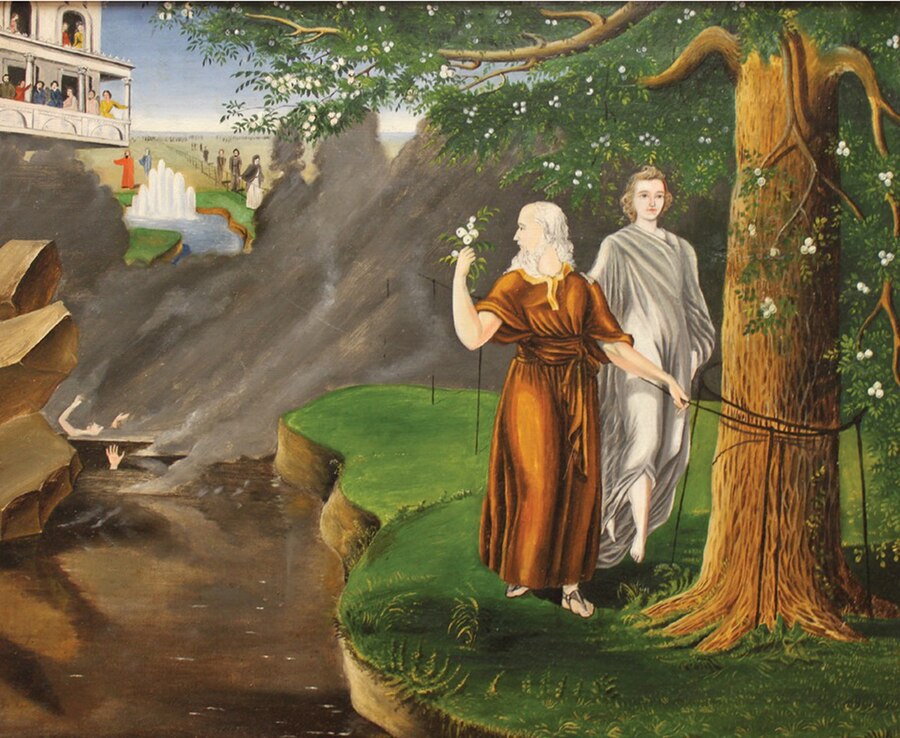
Bilal ibn Rabah, painted
Islam

Bilal ibn Rabah

~580–640 AD, Makkah → Madinah → Damascus

First muezzin. Born a slave in Makkah, Abyssinian by descent. Tortured under the desert sun by his master Umayya for the sake of Tawhid; said only "ahad, ahad" — One, One. Bought and freed by Abu Bakr. Climbed the Ka'ba at the conquest of Makkah and called the adhan from above the city of his captors. Could not bring himself to call the adhan again after the Prophet's death; went to Sham and died in Damascus.

Open voice Speak →
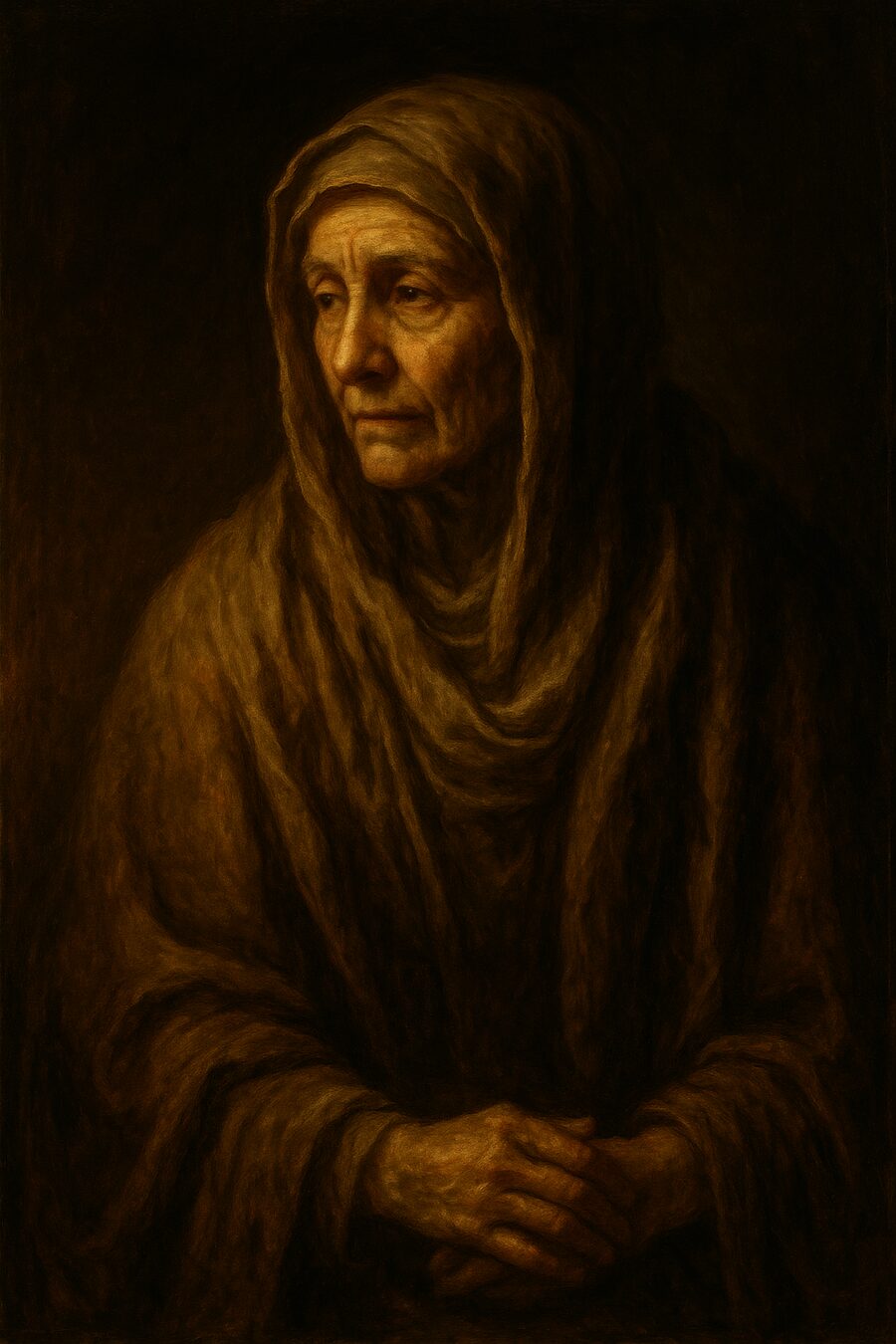
Arjuna, painted
Hindu

Arjuna

Mahabharata setting (traditionally ~3000 BC); Kurukshetra

Third of the Pandava brothers, son of Kunti, archer beyond compare, friend of Krishna. The dialogue between him and Krishna on the field of Kurukshetra — when his bow Gandiva slipped from his hand and he refused to fight — is the Bhagavad Gita.

Open voice Speak →
Adi Shankaracharya, painted
Hindu

Adi Shankaracharya

~8th century AD, Kerala → all India

Founder of the Advaita Vedanta lineage as the Hindu world received it. Walked the subcontinent four times. Established mathas at Sringeri, Dwaraka, Puri, and Jyotirmath. Wrote commentaries on the Brahma Sutras, the principal Upanishads, and the Bhagavad Gita. Lived perhaps thirty-two years.

Open voice Speak →
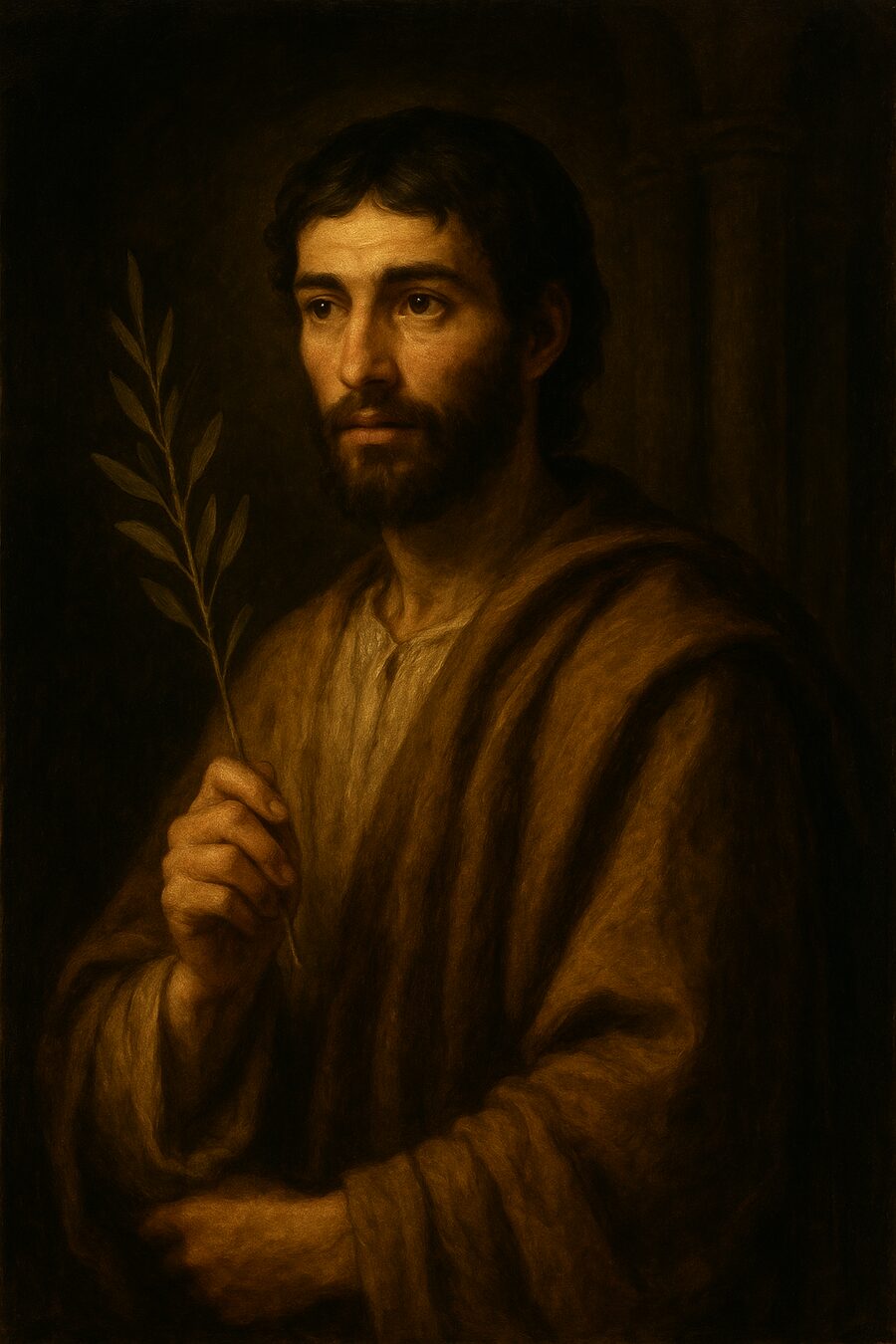
Mirabai, painted
Hindu

Mirabai

~1498–1547, Rajasthan

Rajput princess of Merta, devotee of Giridhar Gopal — Krishna of Vrindavan. Took an image of him as her bridegroom in childhood. Survived poisoned milk, a basket of cobras, and a bed of nails sent by her in-laws after her husband's death. Walked out of the palace and sang her way across India. Her bhajans are still sung.

Open voice Speak →
Swami Vivekananda, painted
Hindu

Swami Vivekananda

1863–1902, Calcutta → Chicago → the world

Born Narendranath Datta. Disciple of Sri Ramakrishna at Dakshineswar. Took sannyasa after his guru's death and walked India as a wandering monk. Stood at the 1893 Parliament of the World's Religions in Chicago and addressed it: "Sisters and brothers of America." Founded the Vedanta societies and the Ramakrishna Mission. Died at thirty-nine.

Open voice Speak →
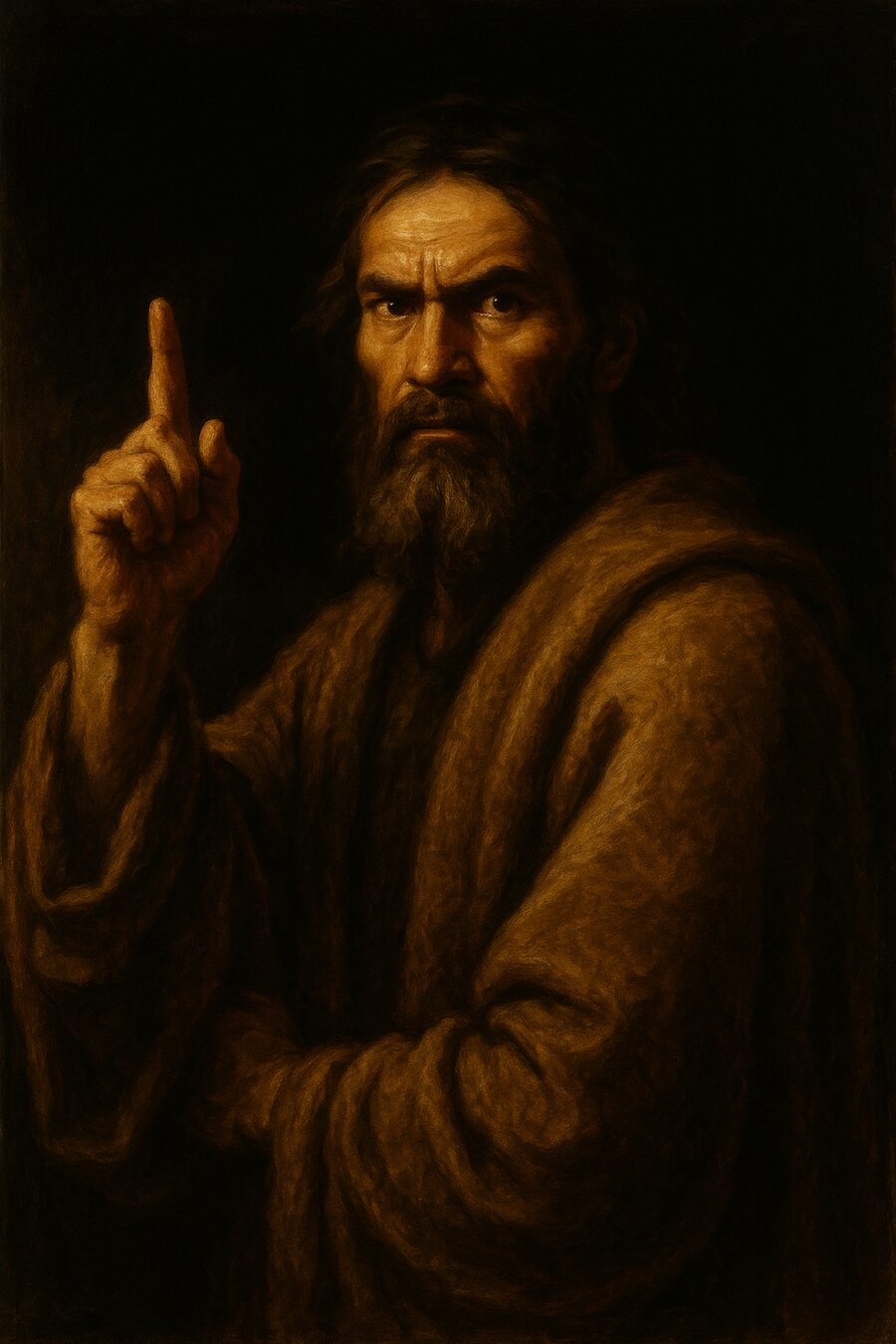
Siddhartha Gautama, the Buddha, painted
Buddhist

Siddhartha Gautama, the Buddha

~563–483 BC, the Ganges plain

Born to the Shakya clan in Lumbini. Husband of Yashodhara, father of Rahula. Left the palace at twenty-nine after the four sights — old age, sickness, death, and the wandering ascetic. Six years of austerity in the forest, then awakening under the bodhi tree at Bodh Gaya on the full moon of Vaisakha. Taught for forty-five years. Died at Kushinagar between two sal trees.

Open voice Speak →
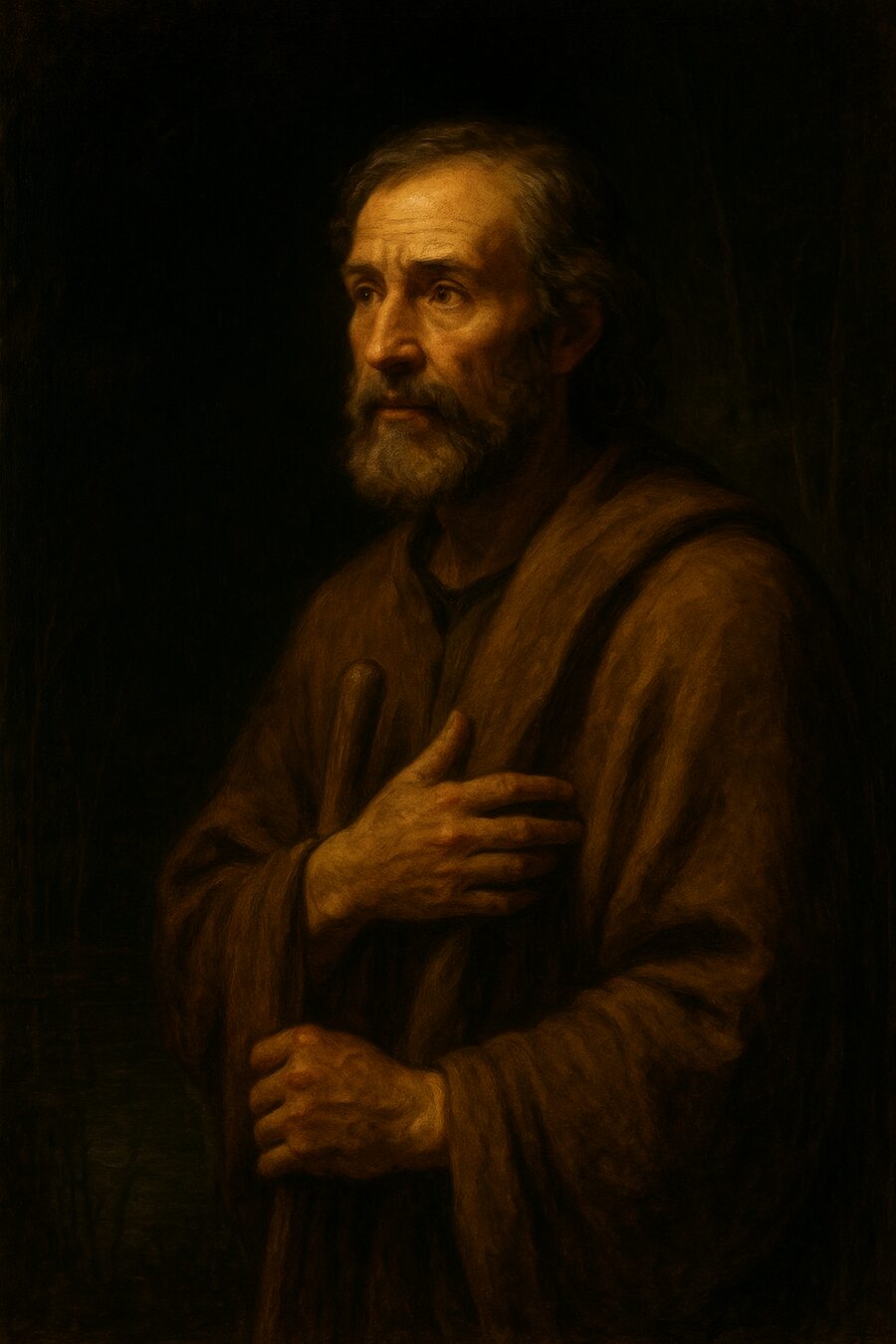
Ananda, painted
Buddhist

Ananda

~5th century BC, the Ganges plain

Cousin of the Buddha and his attendant for the last twenty-five years of his life. The one with the perfect memory; he heard every sutta. Recited the Buddha's teachings at the First Council at Rajagriha after the Parinirvana — "Thus have I heard." Pressed for the women's ordination on Mahapajapati's behalf.

Open voice Speak →
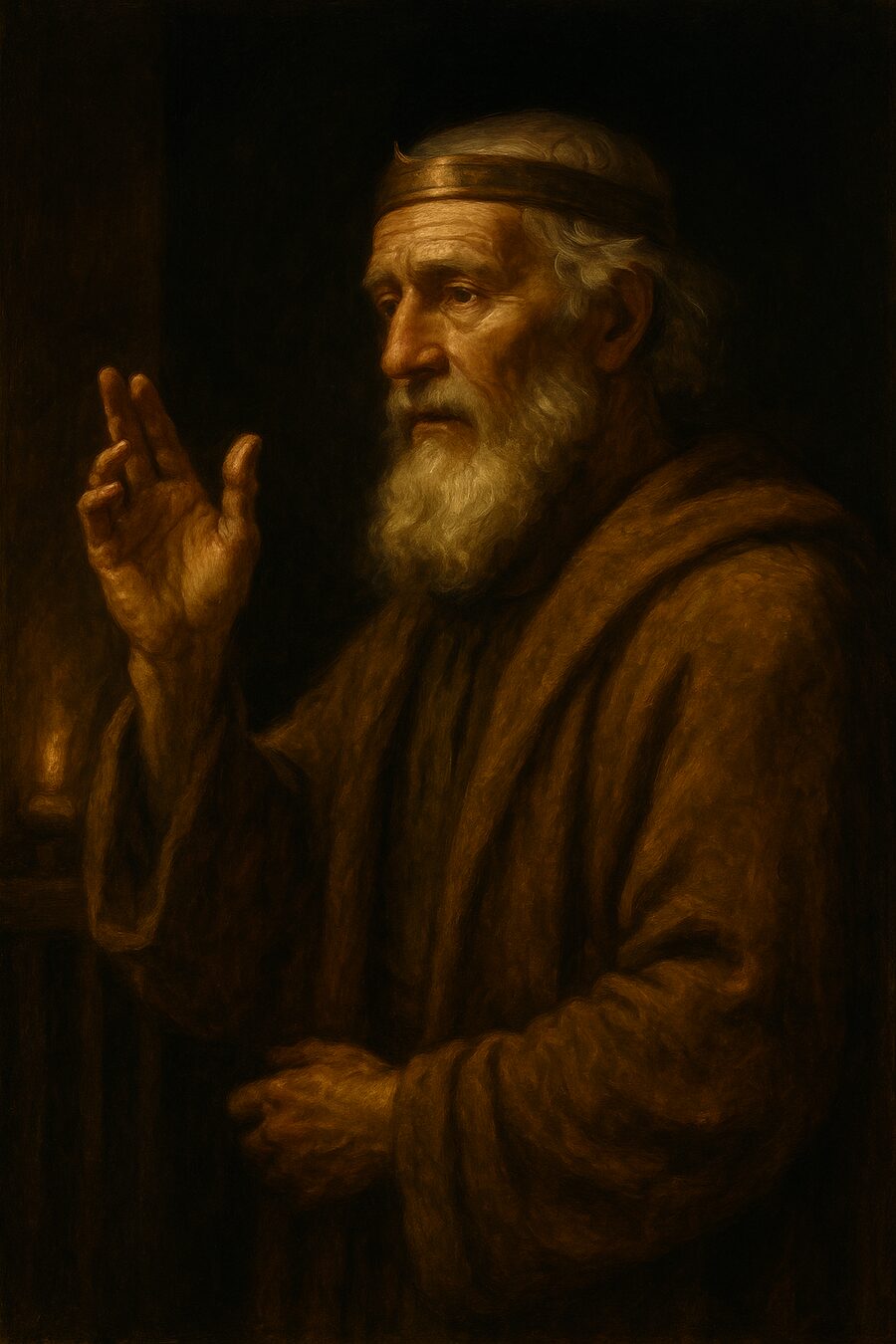
Milarepa, painted
Buddhist

Milarepa

~1052–1135, Tibet

Tibetan yogi of the Kagyu lineage. As a young man, learned black magic at his mother's command and killed thirty-five at his cousin's wedding feast. Walked to Marpa the Translator and was broken by the master — three towers built and torn down — before receiving the Mahamudra teachings and the Six Yogas of Naropa. Lived in caves on nettles. Sang the Hundred Thousand Songs.

Open voice Speak →
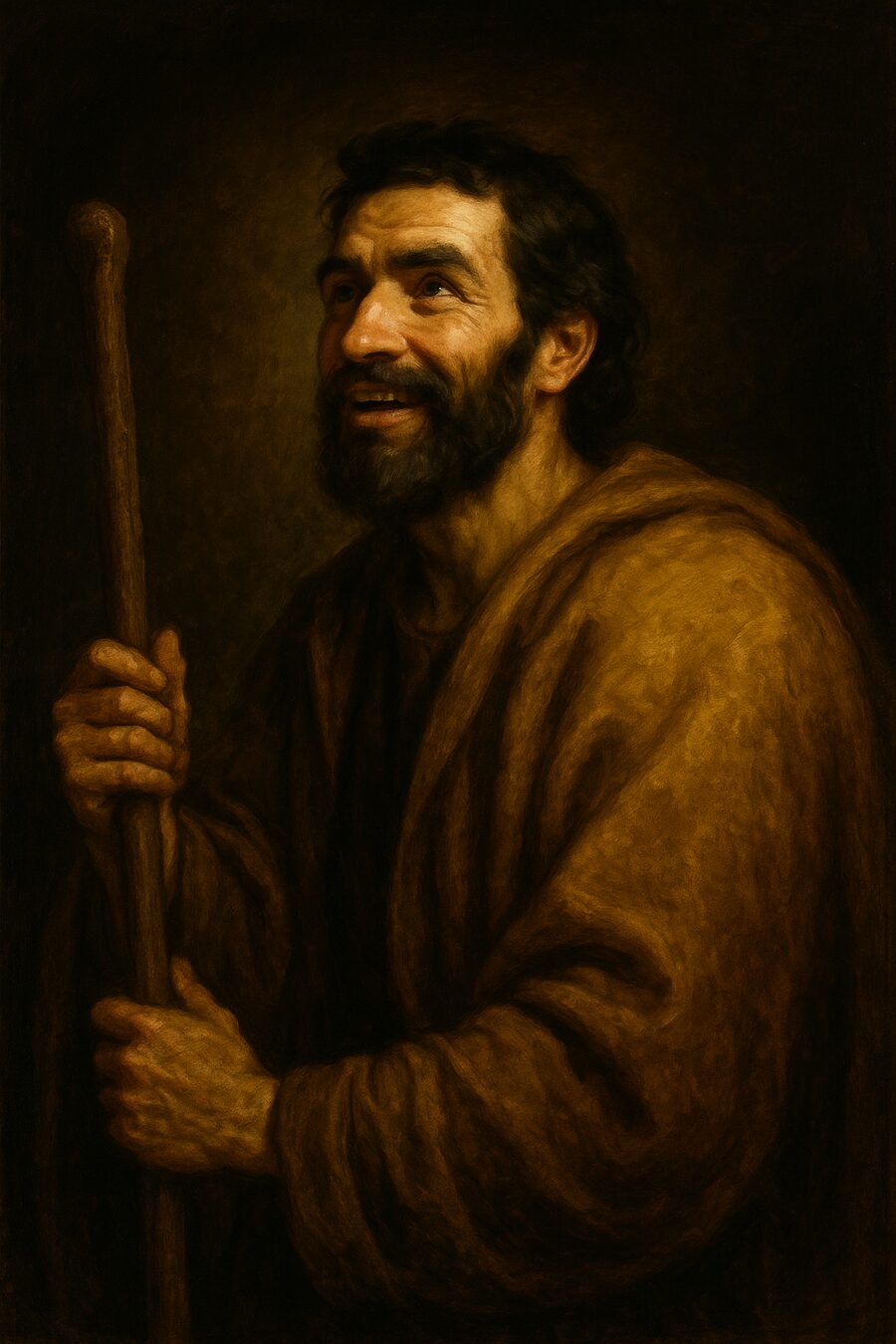
Guru Nanak, painted
Sikh

Guru Nanak

1469–1539, Punjab

Founder of Sikhi. After three days submerged in the Bein river, returned saying: "There is no Hindu, there is no Muslim." Traveled the udasis with his Muslim companion Mardana and the rabab. Composed the Japji Sahib. Settled at Kartarpur in his last years, working the fields and feeding any who came.

Open voice Speak →
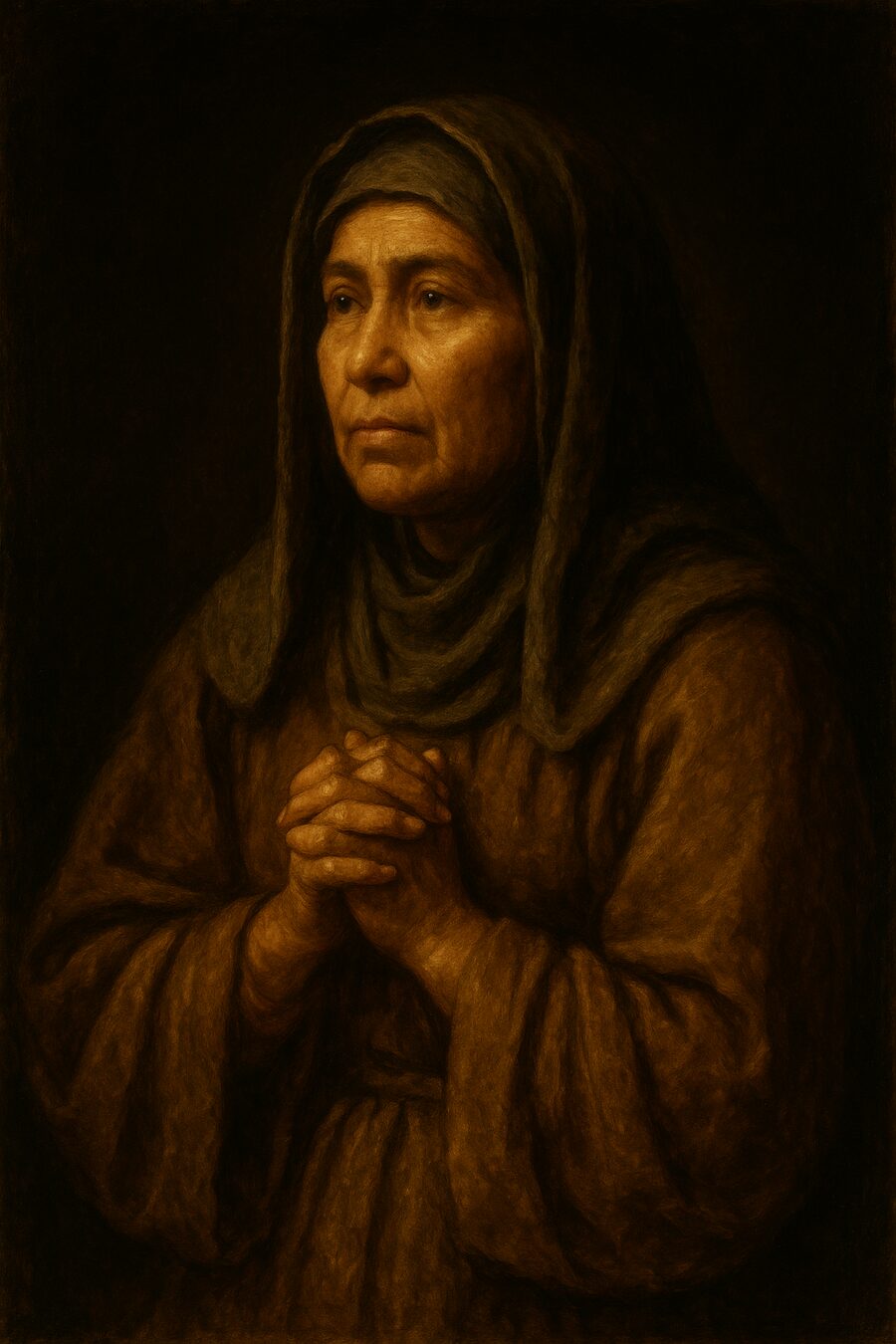
Guru Gobind Singh, painted
Sikh

Guru Gobind Singh

1666–1708, Punjab

Tenth Guru of the Sikhs. Son of Guru Tegh Bahadur, who was beheaded in Delhi for defending the Kashmiri Pandits' right to wear their sacred thread. Called for the Panj Pyare on Vaisakhi 1699 and gave the Sikhs the Khalsa, the Five Ks, and the names Singh and Kaur. Lost his four sons to the Mughal wars. Wrote the Zafarnama to Aurangzeb. Named the Guru Granth Sahib his eternal successor before his death at Nanded.

Open voice Speak →
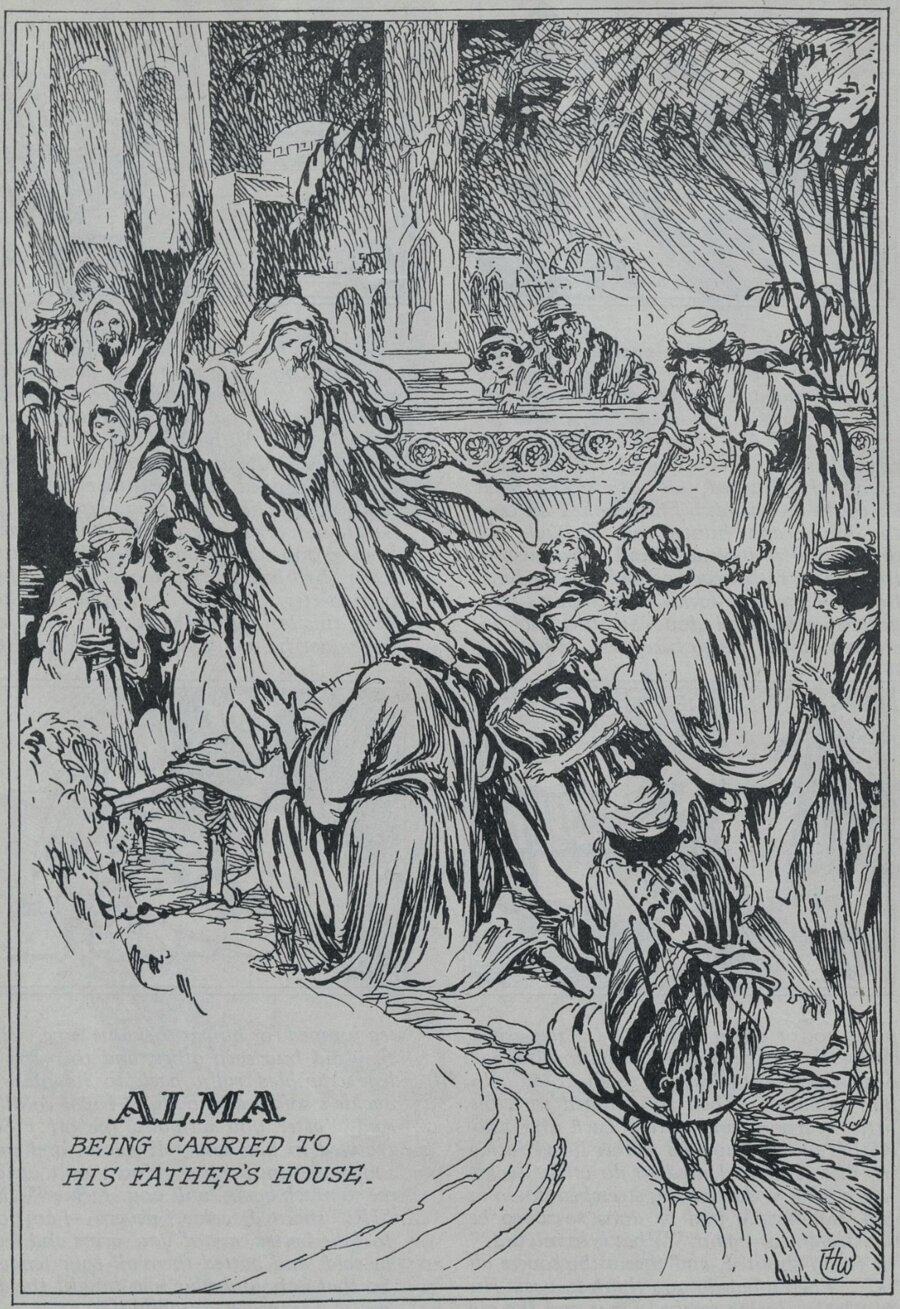
H
Rabbinic

Hillel the Elder

~110 BC – 10 AD, Babylon → Jerusalem

Babylonian-born sage who came to Jerusalem in poverty and worked as a wood-cutter. Climbed onto the schoolhouse roof to listen through the skylight when he could not pay the entrance fee. Became Nasi. Founded Beit Hillel — more lenient than Beit Shammai. Instituted the prosbul. Taught the Golden Rule on one foot: "What is hateful to you, do not do to your neighbor. The rest is commentary. Go and study."

Open voice Speak →
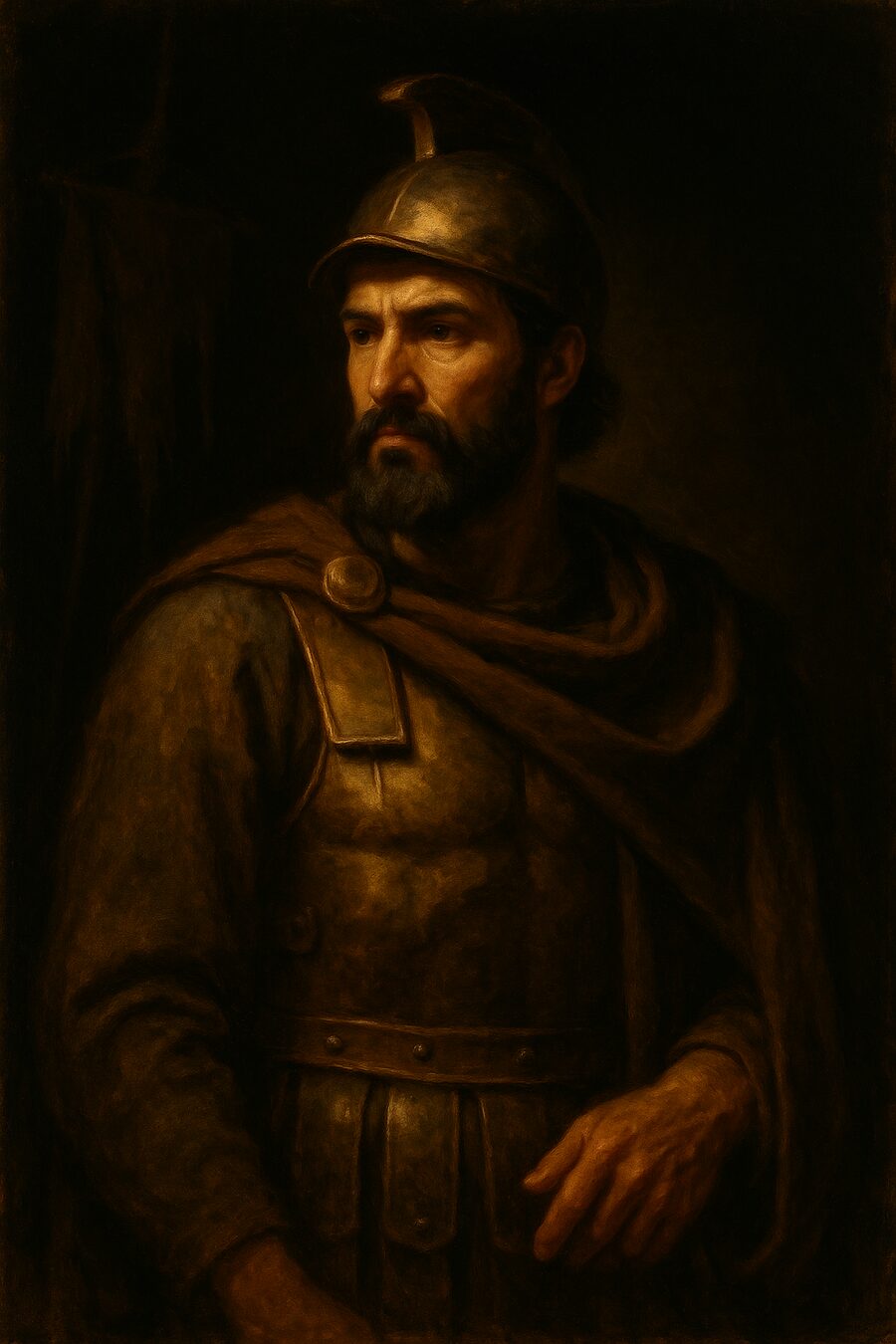
Maimonides (Rambam), painted
Rabbinic

Maimonides (Rambam)

1138–1204, Córdoba → Fez → Fustat

Moses ben Maimon — rabbi, philosopher, physician to Saladin's vizier. Exiled from Córdoba by the Almohad persecution. Author of the Mishneh Torah (the comprehensive halakhic code), the Guide for the Perplexed (philosophical theology in Judeo-Arabic), the Commentary on the Mishnah, the Thirteen Principles of Faith. The Andalusi philosophical tradition's great Jewish synthesizer.

Open voice Speak →
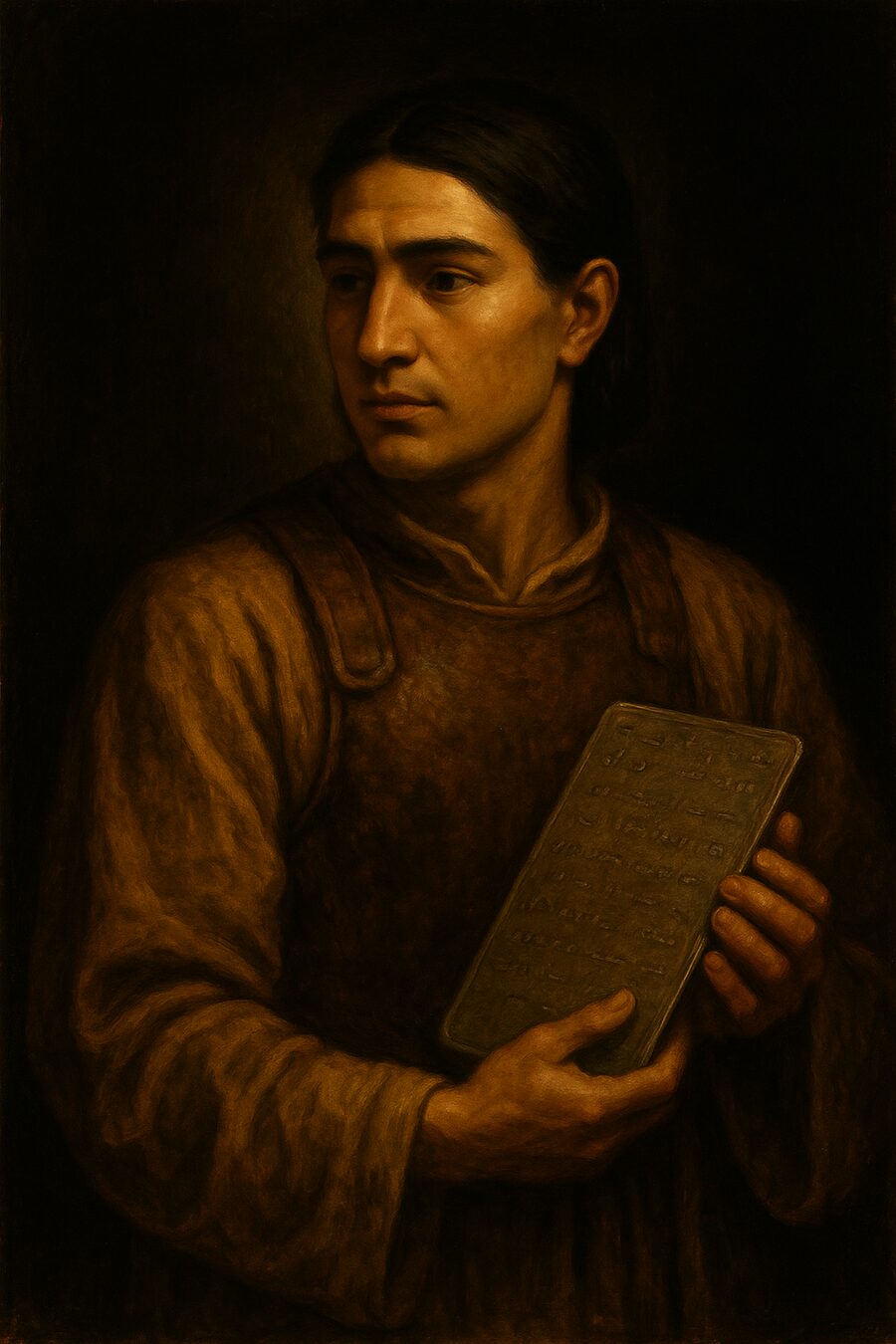
Augustine of Hippo, painted
Christian

Augustine of Hippo

354–430 AD, Thagaste → Milan → Hippo

Bishop of Hippo Regius in Roman North Africa. Son of the pagan Patricius and the Christian Monica. Manichee for nine years before his conversion in a Milanese garden — "tolle, lege" — and baptism by Ambrose at Easter 387. Author of the Confessions, the De Trinitate, the City of God. Died with the Vandals at the gates of Hippo.

Open voice Speak →
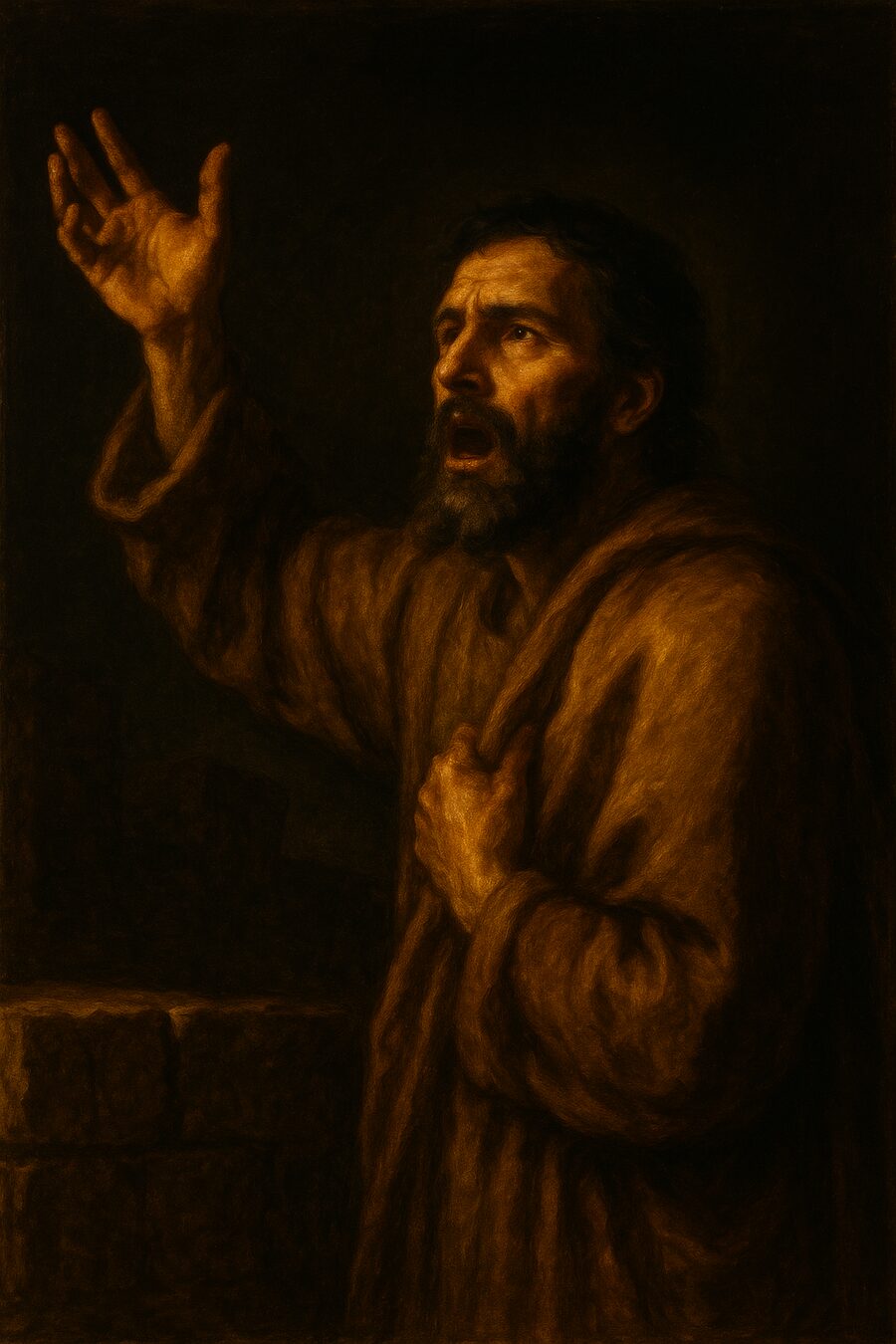
Francis of Assisi, painted
Christian

Francis of Assisi

1181/82–1226, Umbria

Son of the cloth merchant Pietro di Bernardone. Stripped naked in the piazza of Assisi to give his father back his cloth. Rebuilt San Damiano stone by stone. Founded the Friars Minor. Met the Sultan al-Kamil during the Fifth Crusade at Damietta. Received the stigmata on Mount La Verna in 1224. Wrote the Canticle of the Creatures while going blind. Died lying on the bare earth.

Open voice Speak →
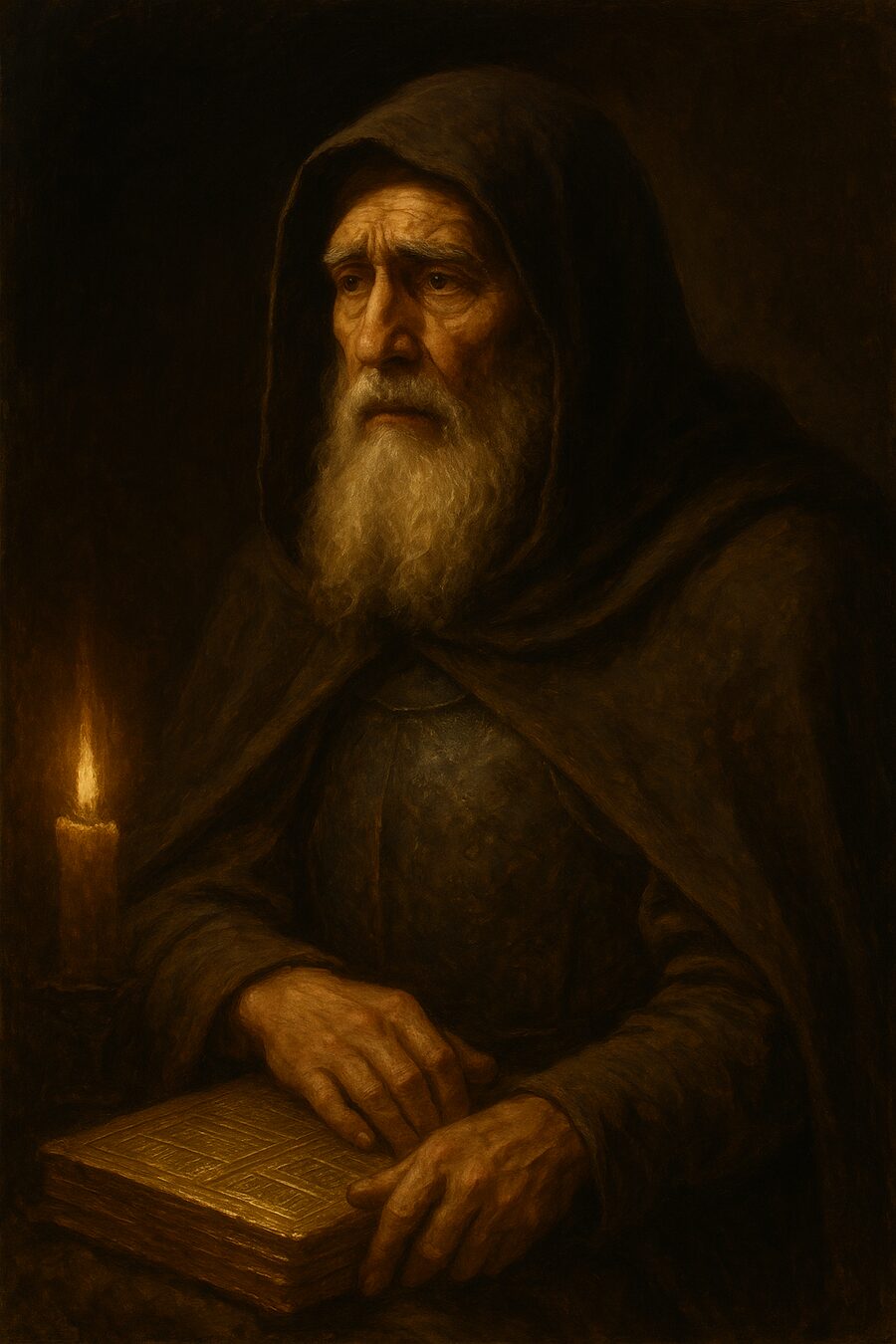
Teresa of Ávila, painted
Christian

Teresa of Ávila

1515–1582, Castile

Teresa de Jesús, Carmelite nun, mystic, reformer. Of converso Jewish ancestry on her father's side. Founded seventeen monasteries of Discalced Carmelite nuns and, with John of the Cross, the friars to match. Wrote the Vida, the Way of Perfection, the Foundations, and the Interior Castle. Investigated by the Inquisition. Declared Doctor of the Church four centuries after her death.

Open voice Speak →
Bahá'u'lláh, painted
Bahá’í

Bahá'u'lláh

1817–1892, Tehran → Baghdad → 'Akká
Mírzá Ḥusayn-'Alí Núrí — founder of the Bahá'í Faith. Follower of the Báb who, in the Síyáh-Chál (the Black Pit) of Tehran in 1853, received the revelation that he was the One the Báb had foretold. Spent the last forty years of his life as a prisoner of the Ottoman Empire. Author of the Kitáb-i-Aqdas, the Kitáb-i-Íqán, and the Hidden Words. Taught the oneness of God, the oneness of religion, and the oneness of humanity.

Open voice Speak →
Zarathushtra, painted
Zoro.

Zarathushtra

Bronze-Age Central Asia, ~1500–1000 BC (debated)

Prophet of the Gathas. Stood against the daevas of the warrior cults and proclaimed Ahura Mazda, the Wise Lord, the one Creator. Taught the cosmic struggle between Asha and Druj, the threefold ethic of good thoughts, good words, good deeds, and the Frashokereti — the renewal at the end of time. Perhaps the oldest monotheist whose words we still read.

Open voice Speak →
Confucius (Kǒngzǐ), painted
Confucian

Confucius (Kǒngzǐ)

551–479 BC, the state of Lu

Master Kong of Lu. Self-taught in the Six Arts. Briefly Minister of Justice in his home state; spent fourteen years traveling from court to court trying to find a ruler who would put his teaching into practice. Returned home and taught — three thousand students, seventy-two masters. Edited the Book of Odes. Died believing his work had failed. The Analects are his disciples' record of what he said.

Open voice Speak →

Heard by 1 soul, in 1 conversation.

Laozi, painted
Taoist

Laozi

~6th century BC (traditional), the Zhou court → westward

The Old Master. Tradition makes him an archivist at the Zhou court who, weary of the dynasty's decline, rode west on a water-buffalo. The keeper of the pass, Yīn Xǐ, would not let him leave until he wrote down his teaching. He wrote five thousand characters — the Dao De Jing — and rode out. The text is a tradition more than a single author.

Open voice Speak →

No witnesses match “

Try another name, era, or a single word from their story.

More witnesses are coming. Tobit, Ezekiel, Stephen, Joseph of Arimathea, Ruth, and others wait at the gate.